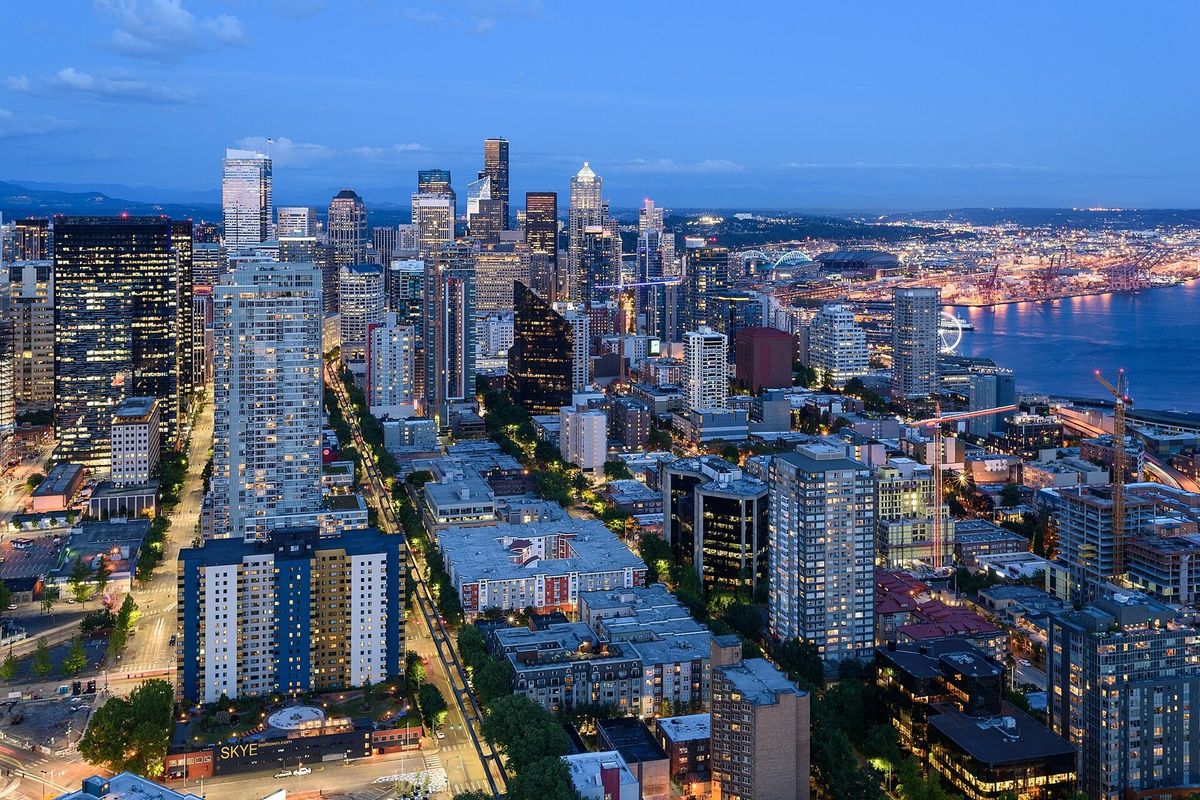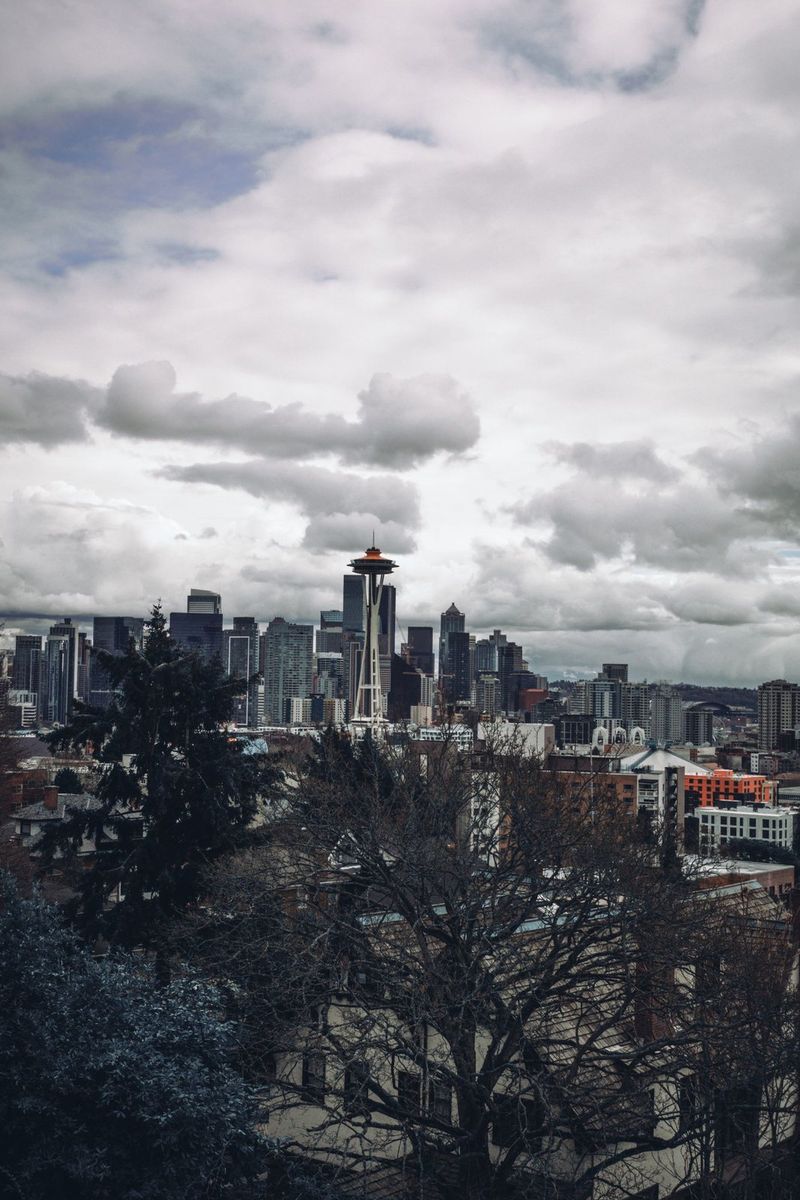
The buildings
Seattle's north-end and central neighborhoods, Ballard, Wallingford, Green Lake, Ravenna, Capitol Hill, the Central District and West Seattle, are full of Craftsman and box-style houses from 1905 to 1930 with full or partial basements. Those basements carry the original plumbing stacks, the water heater, the laundry and often a finished rec room, which is why they are where most Seattle water losses happen. Galvanized supply lines pinhole; cast-iron drains crack; clay side sewers under hundred-year-old maples fill with roots.
Mid-century housing in Northgate, Lake City, Wedgwood, Rainier Valley and Delridge sits on crawl spaces or daylight basements and has aging copper plumbing and water heaters past their life. Townhouses and condos built since the 1990s across Capitol Hill, Ballard, Columbia City and the Denny Triangle stack bathrooms and laundries vertically, so a failed supply line on the fourth floor is a claim on floors four, three and two.
The hills and the water table
Queen Anne, Magnolia, Madrona, Leschi, Beacon Hill and the slopes of West Seattle are built on glacial till that sheds water sideways into foundations during long rains. Seepage through basement walls and up through slab cracks is a drainage problem rather than a plumbing one, and standard policies exclude it. Crews dry it and tell you the coverage reality before chargeable work starts; the permanent fix is footing drains, grading and sometimes an interior perimeter system.
Combined sewers and backups
Parts of Seattle still run combined sewers that carry stormwater and sewage together. In heavy rain the system can surcharge and push flow back into the lowest fixture in a house, typically a basement floor drain or shower. Backups are Category 3 losses: everything porous they touch comes out, the area is disinfected and dried, and coverage depends on whether your policy includes water backup coverage. If you have a basement in an older neighborhood and do not have that endorsement, it is worth a call to your agent.
Winter
Seattle freezes rarely but hard enough to burst pipes in uninsulated crawl spaces, garages and exterior walls, and the thaw usually happens during a workday. November and December wind storms bring branches onto roofs across the north end and West Seattle. Atmospheric rivers in December and January push the water table up under every hillside basement in the city.
When you call
Dispatch takes the address and the situation, routes the nearest available crew and gives you a realistic window. Shut off the water, kill power to wet areas if the panel is dry, move belongings, photograph everything. The crew stops the source, maps the moisture, extracts, dries to verified readings and writes the scope in Xactimate for your adjuster. On covered claims the restoration contractor bills your insurer directly. 844-543-5757, any hour.