King County holds the region's widest range of housing, and each kind fails in its own way. Knowing the building tells a crew where the water went before the meters confirm it.
Seattle
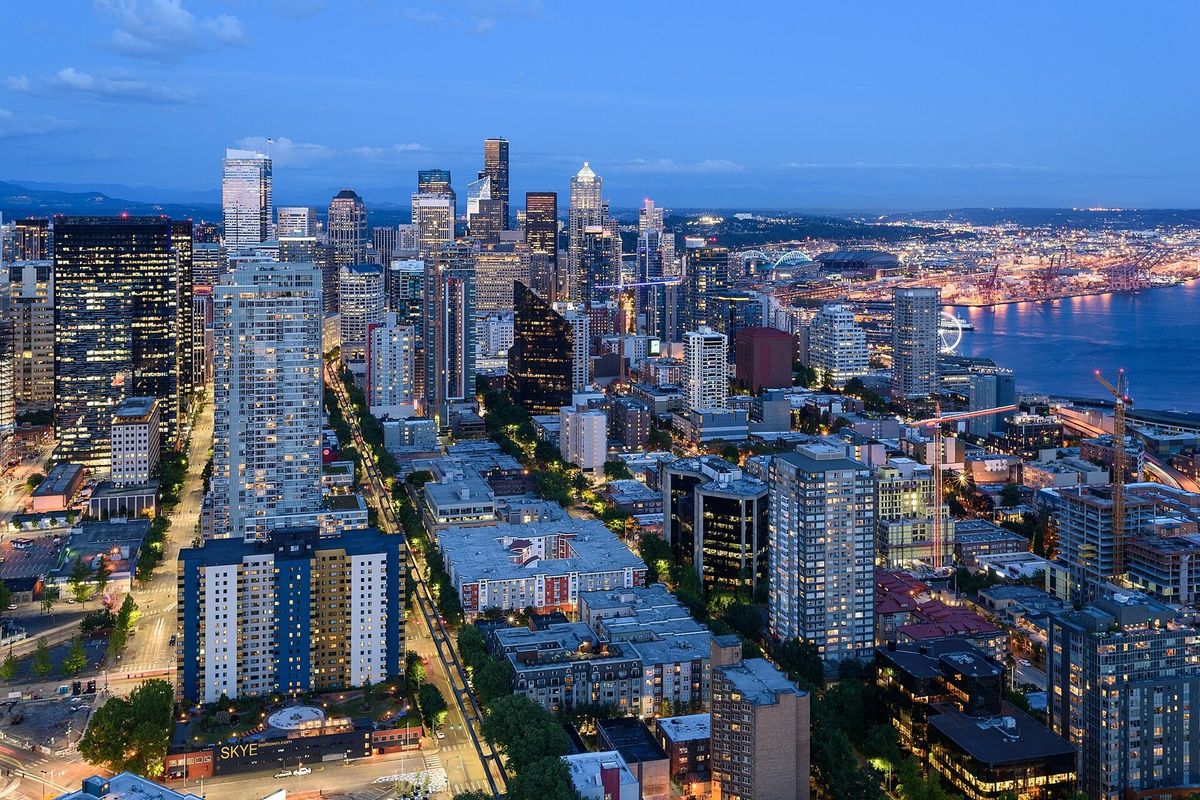
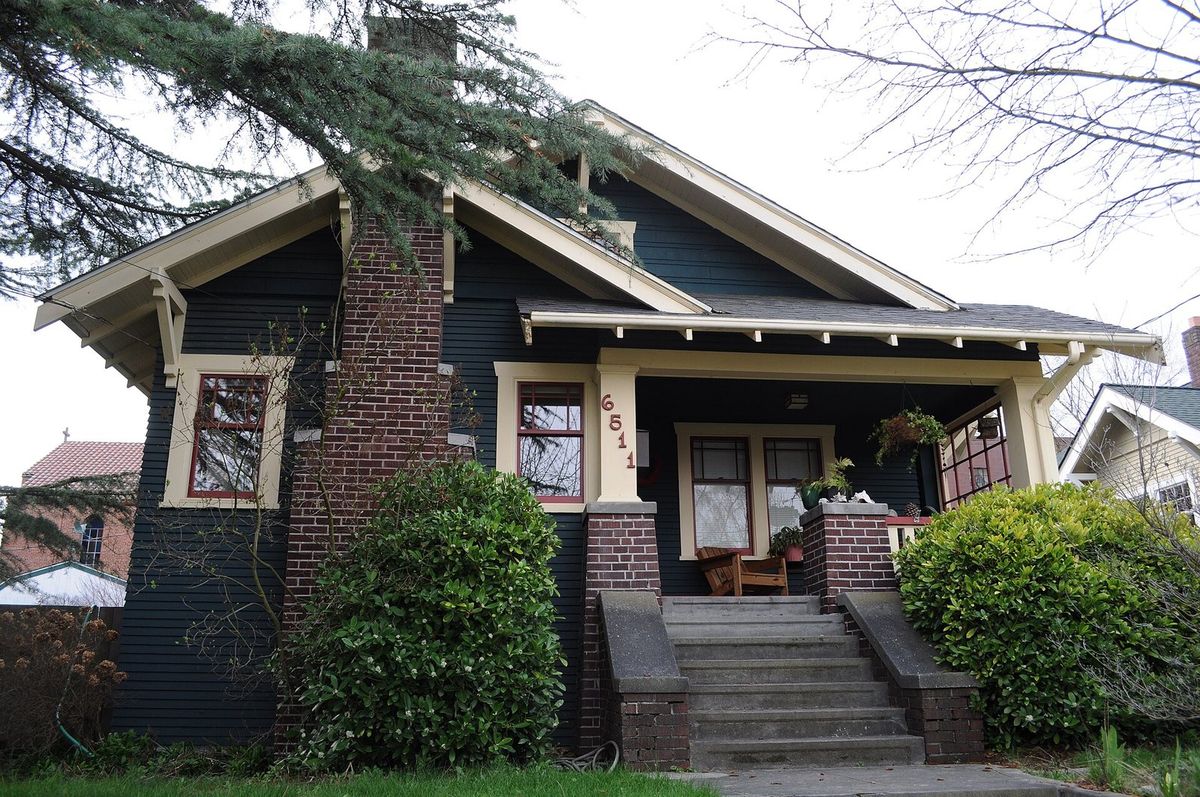
Seattle's housing stock is older than most of the region: Craftsman bungalows and boxes in Wallingford, Ballard, Beacon Hill and West Seattle, mid-century houses in Northgate and Rainier Valley, and a dense layer of townhouses and condos built since the 1990s. The old houses have basements, often unfinished or half-finished, with original galvanized plumbing and clay side sewers. Hillside neighborhoods such as Queen Anne, Magnolia and Madrona get groundwater pressure during long rains. Townhouse and condo stacks turn one failed washing-machine hose into several claims. Sewer backups cluster in the older neighborhoods still served by combined sewers.
The Eastside
Bellevue, Kirkland, Redmond, Sammamish and Issaquah are dominated by 1960s to 1990s construction: split-levels, ramblers and two-story homes on crawl spaces, with later subdivisions on the plateaus. The common calls are water heaters in garages, failed supply lines in upstairs bathrooms coming through the ceiling below, skylight and chimney flashing leaks, and crawl spaces that flood when downspouts and footing drains are overwhelmed. The hills above Issaquah and the slopes of Cougar Mountain add drainage pressure that shows up as seepage on daylight-basement walls.
South King County
Kent, Auburn, Renton, Tukwila and Federal Way have large areas of 1970s to 1990s housing along with newer developments, and the Kent and Auburn valley floors sit in the floodplain of the Green River. Plumbing failures look like the Eastside; the extra risk is surface and groundwater during big rain events, which is excluded from standard policies. Crews here spend a lot of time in crawl spaces.
North King County
Shoreline, Lake Forest Park, Kenmore, Bothell and Woodinville have mid-century homes with aging plumbing, heavy tree cover that sends roots into side sewers and branches onto roofs, and plenty of basements. Winter wind storms produce roof leaks; cold snaps produce frozen pipes in crawl spaces that were never insulated.
The foothills and the island
Snoqualmie, North Bend, Maple Valley and Enumclaw add distance, septic systems and a wetter microclimate. Vashon Island runs on ferry schedules and well and septic systems. Response takes longer; the work is the same.
What stays the same everywhere
Source control first, photographs before anything moves, moisture mapping, extraction, drying verified by readings, and an estimate written in Xactimate for your adjuster. On covered claims the restoration contractor bills your insurer directly. Call 844-543-5757 any hour.