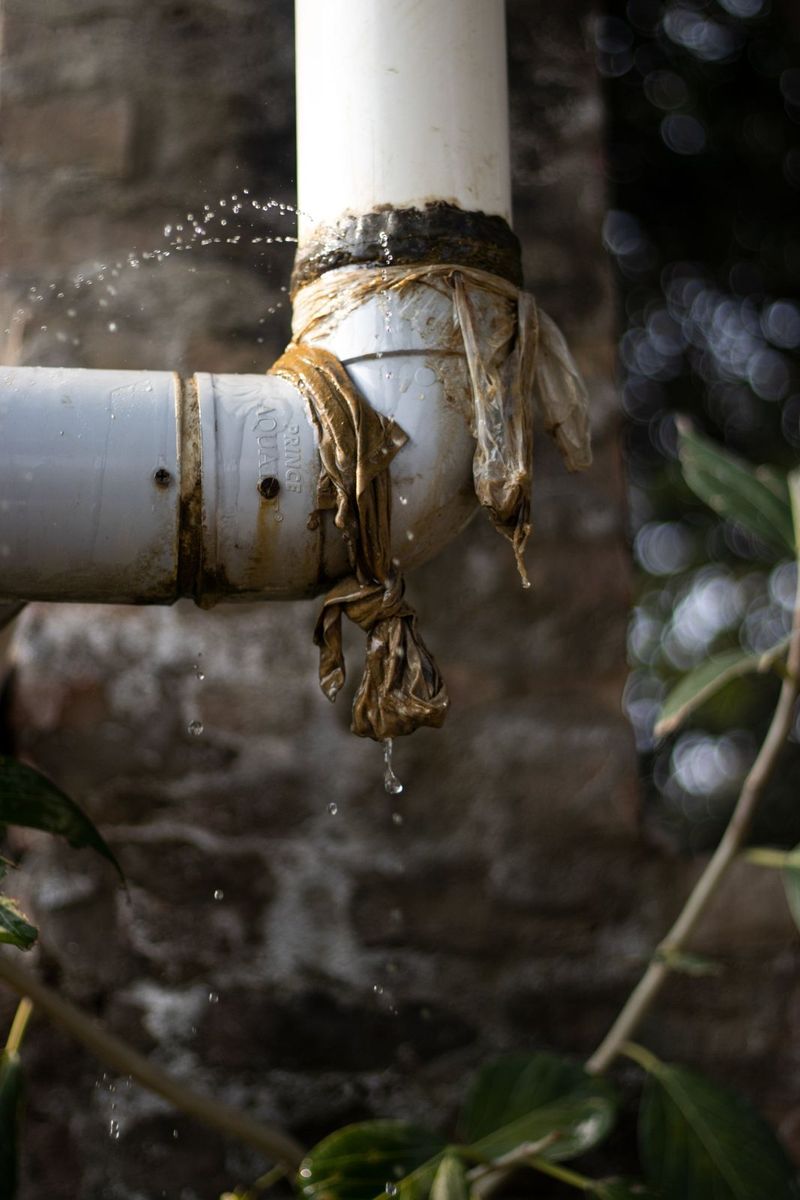
Standard Washington homeowners policies are written on forms used across the country, and they treat water in a consistent way: they cover damage that is sudden and accidental, and they exclude damage that is gradual, expected or comes from certain sources. The table below sorts the common Puget Sound scenarios. Your policy and your adjuster decide; this is the pattern.
| Scenario | Usually covered? | Why |
|---|---|---|
| Pipe bursts, including from freezing while the home is heated | Yes | Sudden and accidental discharge from plumbing |
| Supply line or hose fails on a dishwasher, washer, fridge or toilet | Yes | Sudden discharge; the appliance itself usually is not covered |
| Water heater tank fails | Yes, the damage; no, the heater | Sudden damage is covered; the tank is wear and tear |
| Roof damaged by wind or a tree, water comes in | Yes | Storm damage is a covered peril |
| Old roof or flashing finally leaks | Usually no | Maintenance and wear; interior damage is sometimes still covered |
| Slow leak under a sink or behind a wall for months | Usually no | Gradual, considered preventable |
| Groundwater through the foundation or slab | No | Excluded; this is seepage |
| Surface water or a rising creek enters the home | No | Flood; needs a separate flood policy |
| Sewer or drain backs up into the home | Only with an endorsement | Water backup coverage, bought separately |
| Sump pump fails and the basement floods | Only with an endorsement | Sump overflow coverage, bought separately |
| Frozen pipe while the home was unheated and unoccupied | Usually no | Most policies require heat to be maintained |
| Mold after a covered water loss | Often, with a sublimit | Limited mold coverage tied to a covered cause |
Sudden versus gradual
Adjusters look for a discrete event. A hose that split on Tuesday is sudden. A fitting that dripped for six months and rotted the subfloor is gradual, even if you only noticed it on Tuesday. The evidence that separates them is physical: fresh water and clean materials point to sudden, while staining, corrosion, deteriorated wood and established mold point to gradual. This is one reason to call as soon as you find water: the earlier the inspection, the clearer the picture.
The endorsements worth having here
Two inexpensive additions matter in this region more than most. Water backup coverage pays for sewer and drain backups and sump pump overflows, which are common in older Seattle, Tacoma and Everett neighborhoods and in any home with a basement. Service line coverage pays to repair the water and sewer lines between the street and the house, which are the homeowner's responsibility and fail regularly in neighborhoods with sixty-year-old clay pipe. If you have a basement or a crawl space, ask your agent about both. If you are in a mapped floodplain along the Cedar, Green, Snohomish, Puyallup or Skagit rivers, flood insurance is a separate conversation worth having.
Contents, living expenses and code upgrades
A covered claim usually has three parts beyond the structure. Contents coverage pays for furniture, rugs, electronics and belongings damaged by the water, at replacement cost or actual cash value depending on your policy. Additional living expense pays for a hotel and meals if the house is uninhabitable during drying or rebuild. Ordinance or law coverage pays the extra cost of bringing repaired areas up to current code, which matters in older homes where opening a wall triggers electrical or plumbing upgrades. Check your declarations page for each.
What the restoration contractor does with all this
The crew does not decide coverage; the adjuster does. What the crew does is document the cause and the damage accurately and promptly, write the scope in Xactimate so the adjuster can price it, and keep drying on schedule so a covered water loss does not become an excluded mold loss. On covered work, the contractor bills the insurer directly and you are responsible for your deductible and anything the policy does not pay. When something looks like it will not be covered, the dispatcher and crew say so before work starts, so you can make the call with real numbers.