Sewage in a home is a health problem before it is a property problem. Backups carry bacteria, viruses and parasites, and the water keeps soaking into materials while you decide what to do. Restoration standards classify it as Category 3, the most contaminated water, and the cleanup rules are different from a clean-water loss: more comes out, nothing porous is dried in place, and the area is disinfected and verified before anyone rebuilds.
How backups happen around Puget Sound
Seattle's older neighborhoods, along with much of Tacoma, Everett and Bremerton, were built with clay or concrete side sewers that are now sixty to a hundred years old. Roots from the big-leaf maples and cedars that make the region beautiful find every joint in those pipes. Parts of Seattle still run combined sewers that carry stormwater and sewage in the same pipe; during heavy rain the system can surcharge and push flow back toward the lowest fixtures in a house, which is usually a basement floor drain, shower or toilet.
Newer homes on the Eastside and in South King and Pierce counties see fewer root problems but more ejector-pump failures in basement bathrooms and grease or wipes blockages in the main line.
Whatever the cause, the first call is usually to a plumber or the city to clear the line. The second call is to a restoration crew, because clearing the line does nothing about what already came into the house.
What the crew does
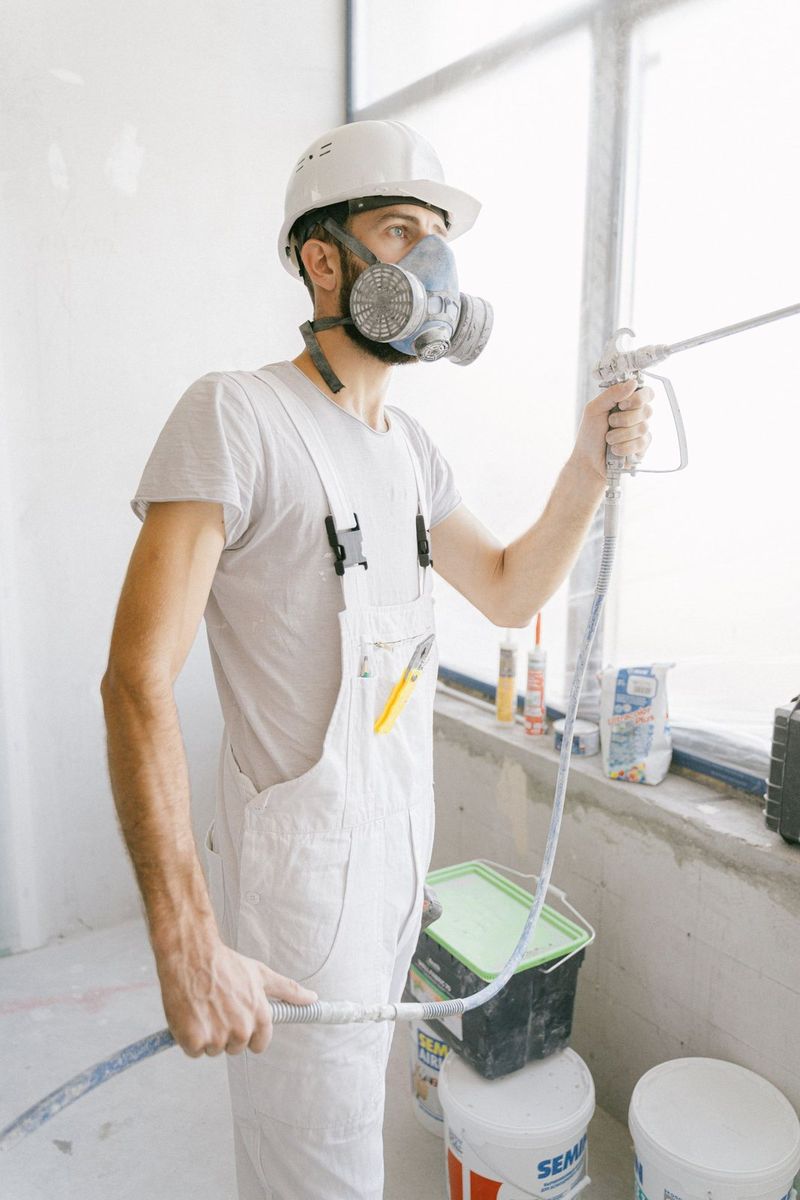
Containment. Plastic sheeting isolates the affected area so contamination does not track through the house. HVAC serving the area is shut off. Crews wear full protective equipment and respirators.
Extraction and removal. Sewage and solids are extracted and disposed of properly. Carpet, pad, drywall, insulation and other porous materials that were touched are cut out and bagged. Drywall is typically removed to at least a foot or two above the visible line, because wicking carries contamination higher than it looks.
Cleaning and disinfection. Hard surfaces, framing and concrete are cleaned, then treated with EPA-registered antimicrobials appropriate for sewage. Treatment is not a substitute for removal; it is what happens after the porous material is gone.
Drying. The structure is dried with air movers and dehumidifiers, with filtration running to capture aerosols, and verified by moisture readings. A sewage loss that is cleaned but not dried becomes a mold loss.
Documentation. Photos of the backup point and the affected area, an inventory of removed materials and damaged contents, and a line-item estimate written in Xactimate. If you carry sewer backup coverage, the contractor bills the insurer directly for covered work.
Insurance and sewer backups
This is the one water loss where the coverage question comes first. Most homeowners policies exclude water that backs up through sewers or drains unless you bought the endorsement, often listed as water backup, sewer backup or sump overflow coverage, with limits typically between a few thousand and tens of thousands of dollars. Check your declarations page or call your agent while the crew is on the way. If you have the coverage, the process runs like any other covered claim. If you do not, you will get a written estimate first and a clear explanation of what is essential for health and what can wait.
Do not do these things
Do not run fans or open the HVAC to the area; it spreads aerosolized contamination. Do not try to dry contaminated carpet. Do not let children or pets near the area. Do not throw away items before they are photographed if you intend to claim them.