The buildings
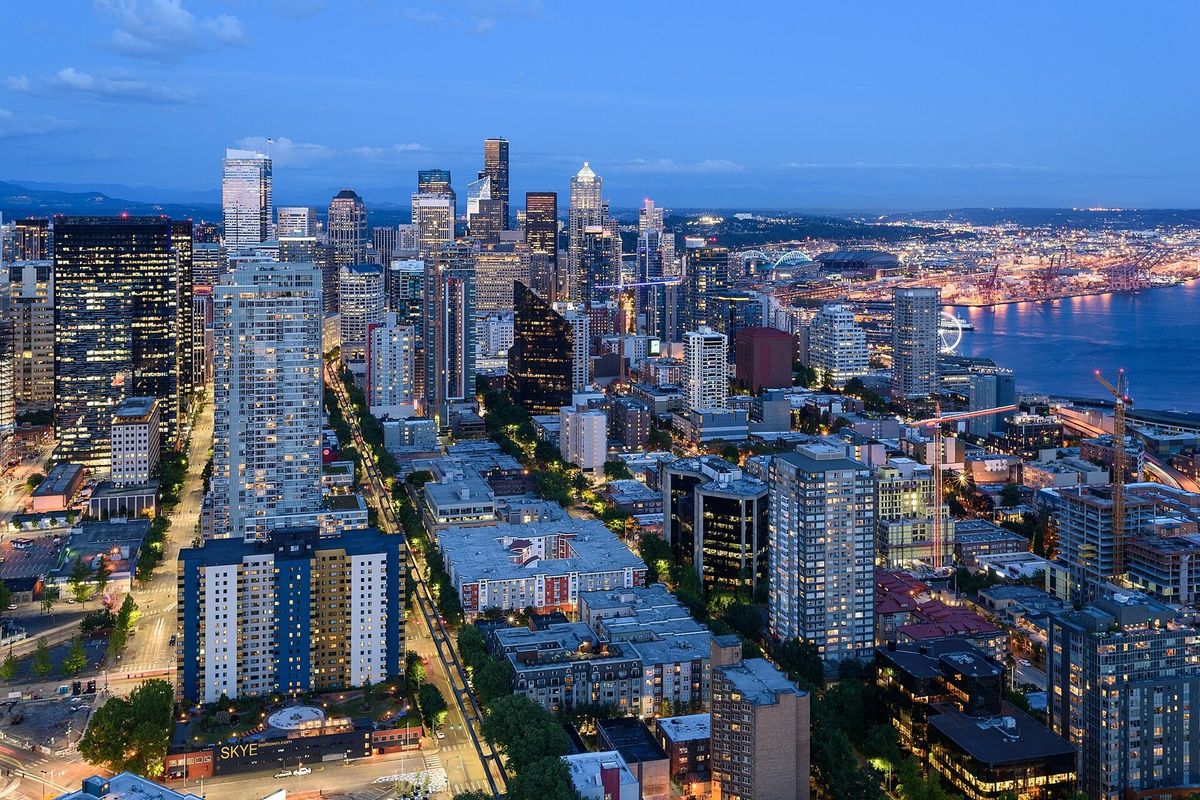
Bremerton grew around the Puget Sound Naval Shipyard, and its oldest neighborhoods, Downtown, Charleston, Union Hill and Manette, have 1900s to 1940s homes with basements, original plumbing and clay side sewers under mature trees. East and West Bremerton, Tracyton, Rocky Point and the Kitsap Lake area are largely mid-century ramblers and split-levels on crawl spaces, with 1970s-and-later subdivisions on the ridges and toward Silverdale. A large share of housing is rental and multi-family tied to the base.
The basement houses lose water from water heaters, washing machines and aging supply lines, and from sewer backups in heavy rain. The crawl-space houses flood from below in the atmospheric-river weeks and lose pipes in the handful of freezes each winter. The newer two-story homes send upstairs bathroom and laundry failures through the ceiling.
The terrain
Bremerton is hilly and wet, with Port Washington Narrows and Dyes Inlet cutting through it. Slopes above the water get groundwater pressure on basement walls during long rains and wind damage to roofs during storms. Low areas near Gorst and the inlets have high water tables that fill crawl spaces. Groundwater and surface water are excluded from standard homeowners policies; crews identify the source and give you the picture before work begins.
The peninsula's distances
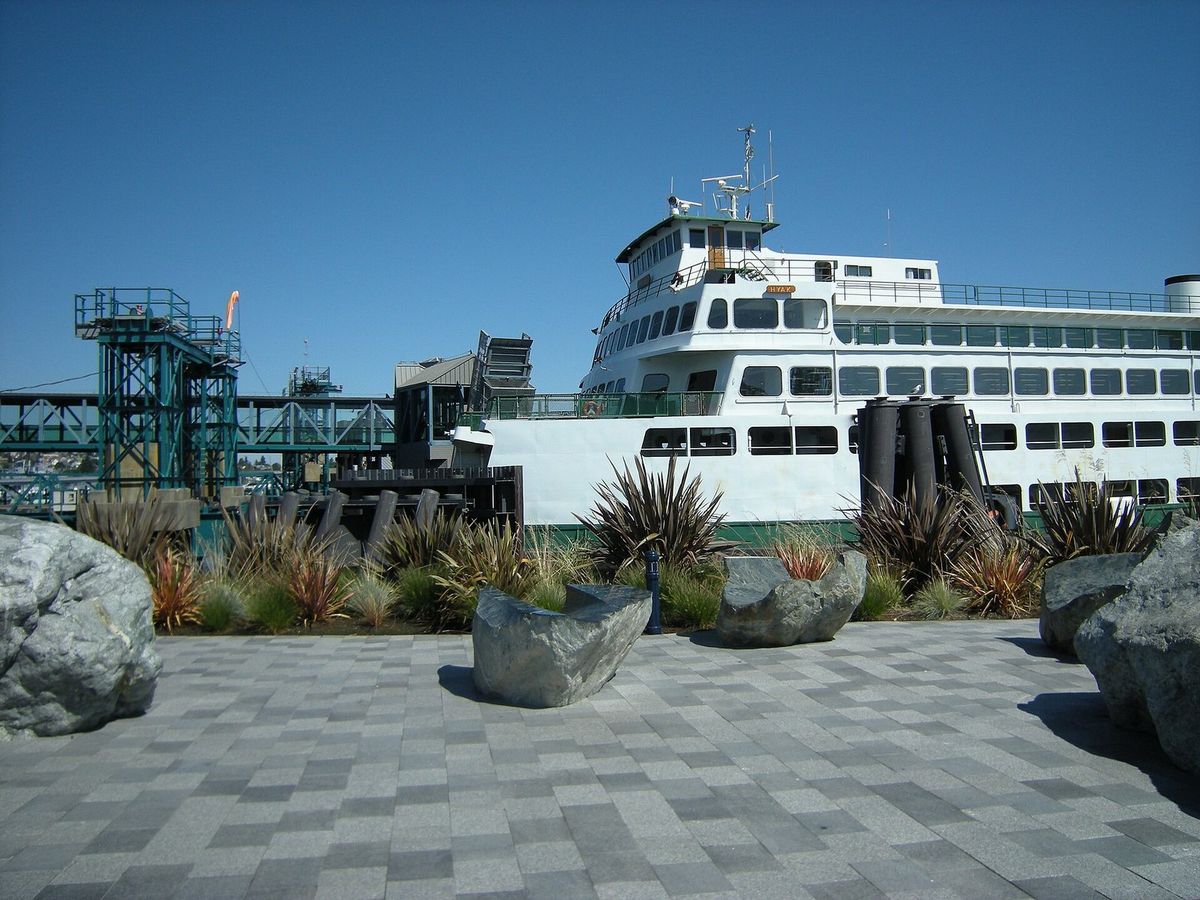
Kitsap's crews cover a lot of ground, and ferries and the Narrows Bridge connect it to the rest of the service area. That makes your first hour more important here than anywhere else. Shut off the water at the fixture or the main. Turn off power to wet areas at the breaker if the panel is dry. Move belongings out of the water and put foil under furniture legs. Photograph everything, including the source. Open cabinet doors. Do not run fans into sewage or grey water. Dispatch stays with you and updates you on the crew's progress.
Silverdale, Port Orchard and the surrounding areas
The same crews serve Silverdale's newer two-story homes and condos, Port Orchard's mix of older waterfront houses and hillside subdivisions, and the rural lots toward Seabeck and Hood Canal on wells and septic. Response windows vary; the standards do not.
When you call
Dispatch takes the address and the situation and routes the nearest available crew with an honest window. The crew stops the source, maps the moisture, extracts, dries to verified readings and writes the scope in Xactimate for your adjuster. On covered claims the restoration contractor bills your insurer directly. 844-543-5757, 24 hours a day.