The buildings
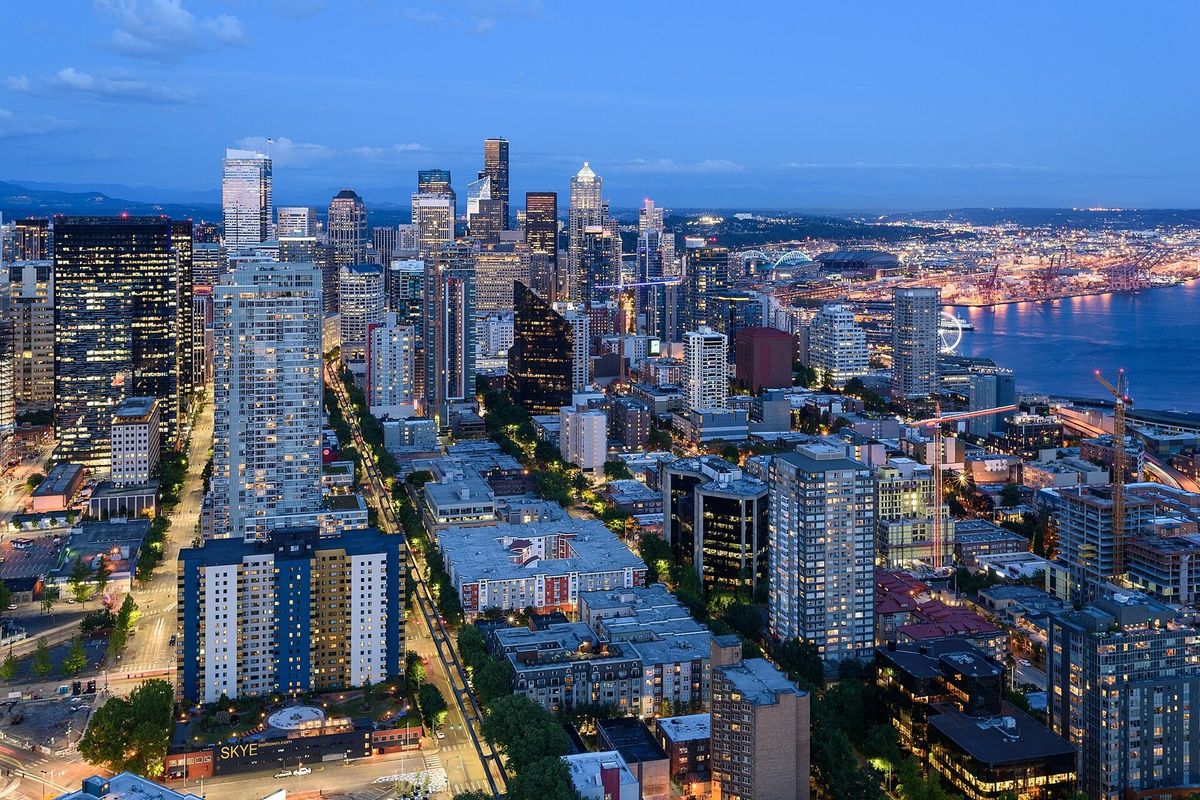
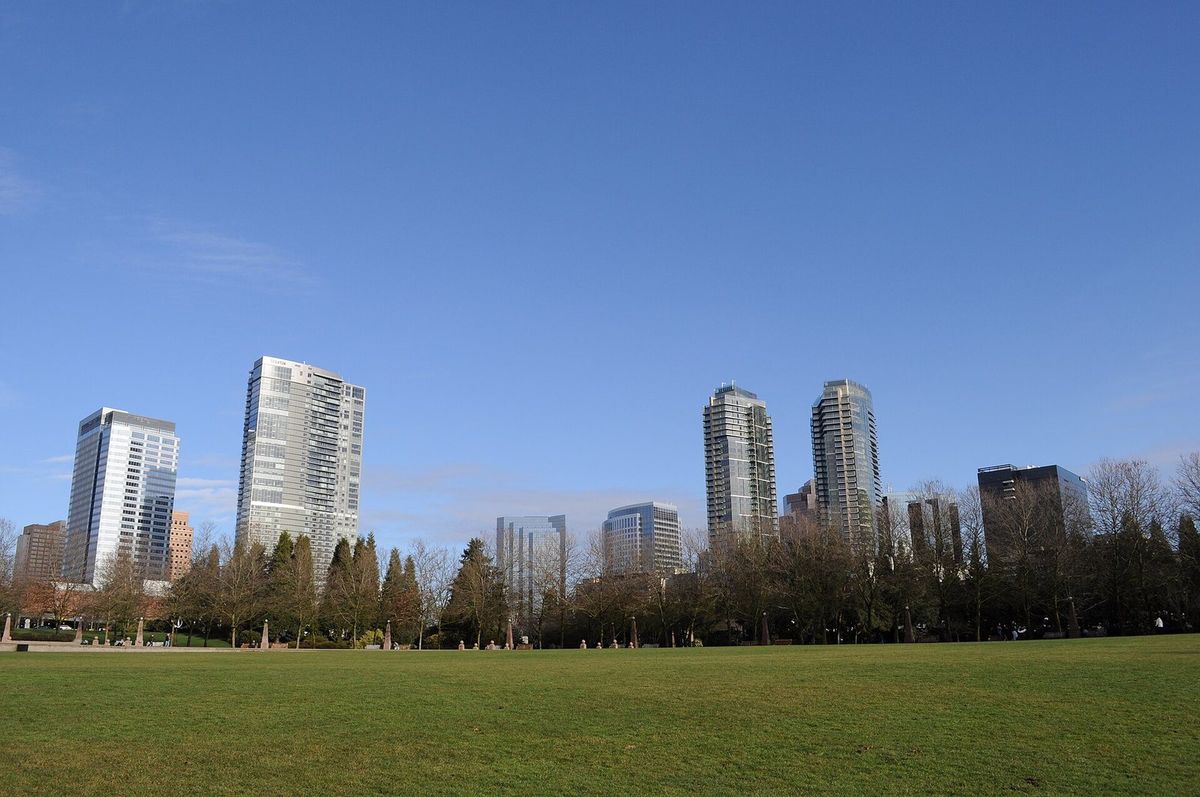
Bellevue grew fastest between 1955 and 1990, and most of its single-family neighborhoods, Lake Hills, Crossroads, Somerset, Newport Hills, Eastgate, Bridle Trails and Northtowne, are ramblers, split-levels and two-story homes from that era on crawl spaces, with later infill and teardowns adding larger new houses. Kirkland, Redmond and Issaquah follow the same pattern, and Sammamish and the Issaquah highlands add large 1990s-and-later subdivisions. Downtown Bellevue and the Spring District are high-rise and mid-rise condos.
Each type fails predictably. The split-levels and two-stories put bathrooms and laundry rooms above living space, so a failed toilet supply line or washing machine hose becomes a collapsed ceiling below. The 1970s and 1980s homes have water heaters in garages and utility rooms that are now past their life, skylights with failing curb flashing, and crawl spaces whose vents and vapor barriers were never designed for today's rain totals. The high-rises put one leak into several units and a hallway.
The ground
The Eastside sits on glacial till with a shallow water table. Somerset, Newport Hills, Cougar Mountain and the slopes above Lake Sammamish shed water sideways into foundations and crawl spaces during long rains. Crawl-space flooding peaks in the atmospheric-river weeks of December and January. Daylight basements on the hills see seepage through walls and slab cracks. Both are drainage problems, excluded from standard policies, and both still need drying to prevent mold and rot; crews give you the estimate first.
Winter freezes
The Eastside's handful of hard freezes each winter burst pipes in uninsulated crawl spaces, garages and exterior walls, and in the sprinkler systems that many Bellevue yards have. Sudden freeze losses in heated homes are typically covered. Keep heat on, open cabinets under exterior-wall sinks, and winterize irrigation before Thanksgiving.
Condos and townhouses
Downtown Bellevue, Kirkland's waterfront and Redmond's Overlake and downtown have thousands of newer condo units. Water from a unit above is mitigated in your unit immediately, reported to your HO-6 insurer and the association, and sorted out between carriers afterward. The association's master policy and your own policy divide responsibility at the drywall or the finished surfaces, depending on your association's documents.
When you call
Dispatch takes the address and the situation and routes the nearest available crew. Shut off the water, kill power to wet areas if safe, move belongings and photograph everything. The crew stops the source, maps the moisture, extracts, dries to verified readings and writes the scope in Xactimate for your adjuster. On covered claims the restoration contractor bills your insurer directly. 844-543-5757.